What Is So Special About Merino Wool
When it comes to cold weather, keeping our feet warm and toasty is important not only for comfort but also for our overall health. Letting our feet get cold, ust like our hands or head, may weaken the immune system and lead to unnecessary problems. You’ve probably heard the old proverb: “Keep the head and feet warm, and the rest will take no harm.” Therefore, having socks that best suit the kind of weather that makes you want to stay indoors is a wise choice.
Why our feet get cold
Let's bring a bit of science into this. Our feet, along with other extremities—hands, ears, and nose—have more thermoreceptors than any other part of the body. These sensory nerve endings lie in the skin, and their main function is to detect changes in external temperature. When we are exposed to cold, they send signals to the thermoregulatory centre located in the hypothalamus, which is part of the brain. In response, the blood vessels close to the skin’s surface narrow, restricting blood flow and directing more of it to the centre of the body, where the vital organs are. This control mechanism called vasoconstriction reduces heat loss to the surrounding and helps maintain the normal body temperature. Since our limbs have relatively little muscle mass and are the farthest from the heart, especially the toes, they tend to get cold more quickly. Therefore, keeping our feet warm does a great service to the body, and the best way to do that is by wearing warm socks and proper shoes.
Warm socks
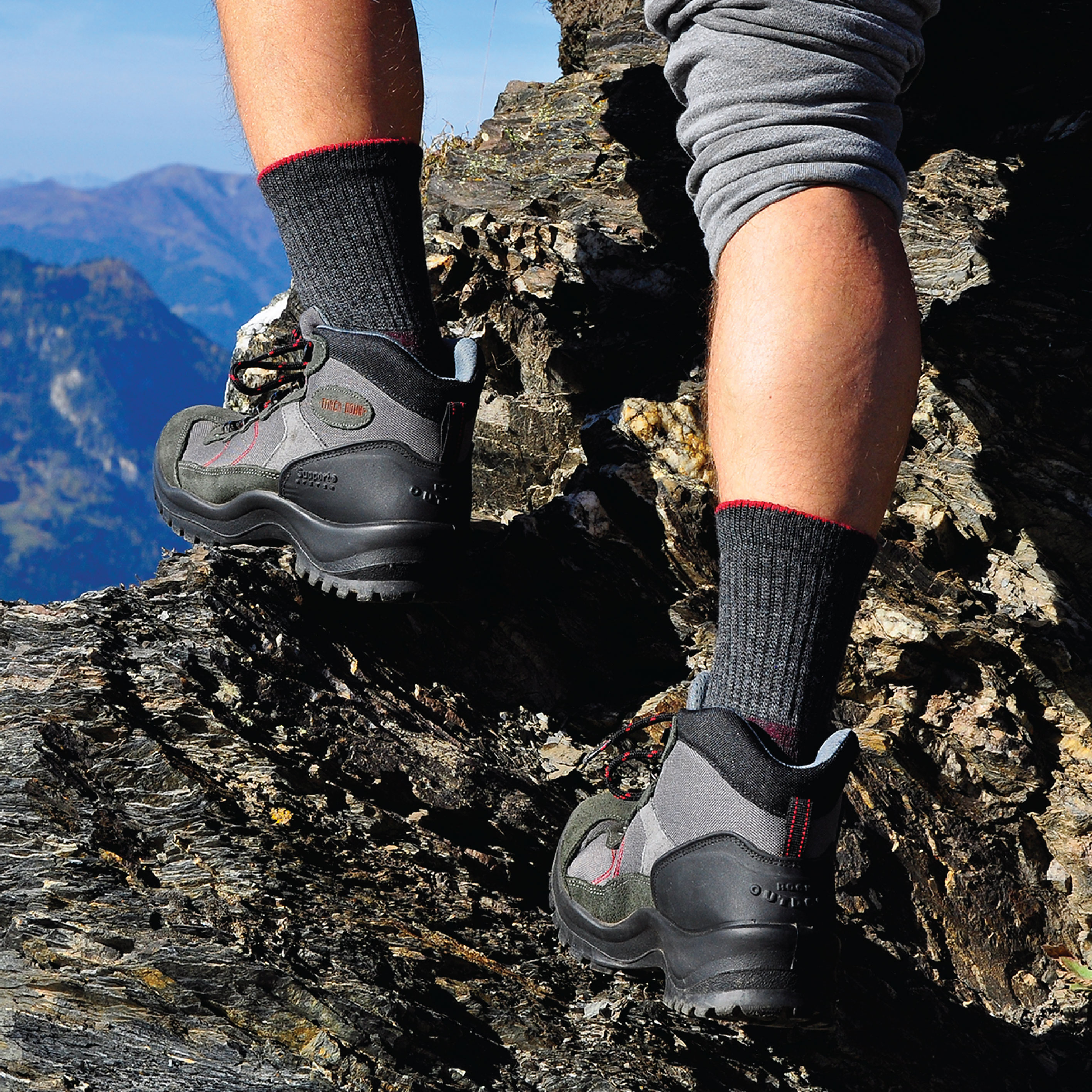
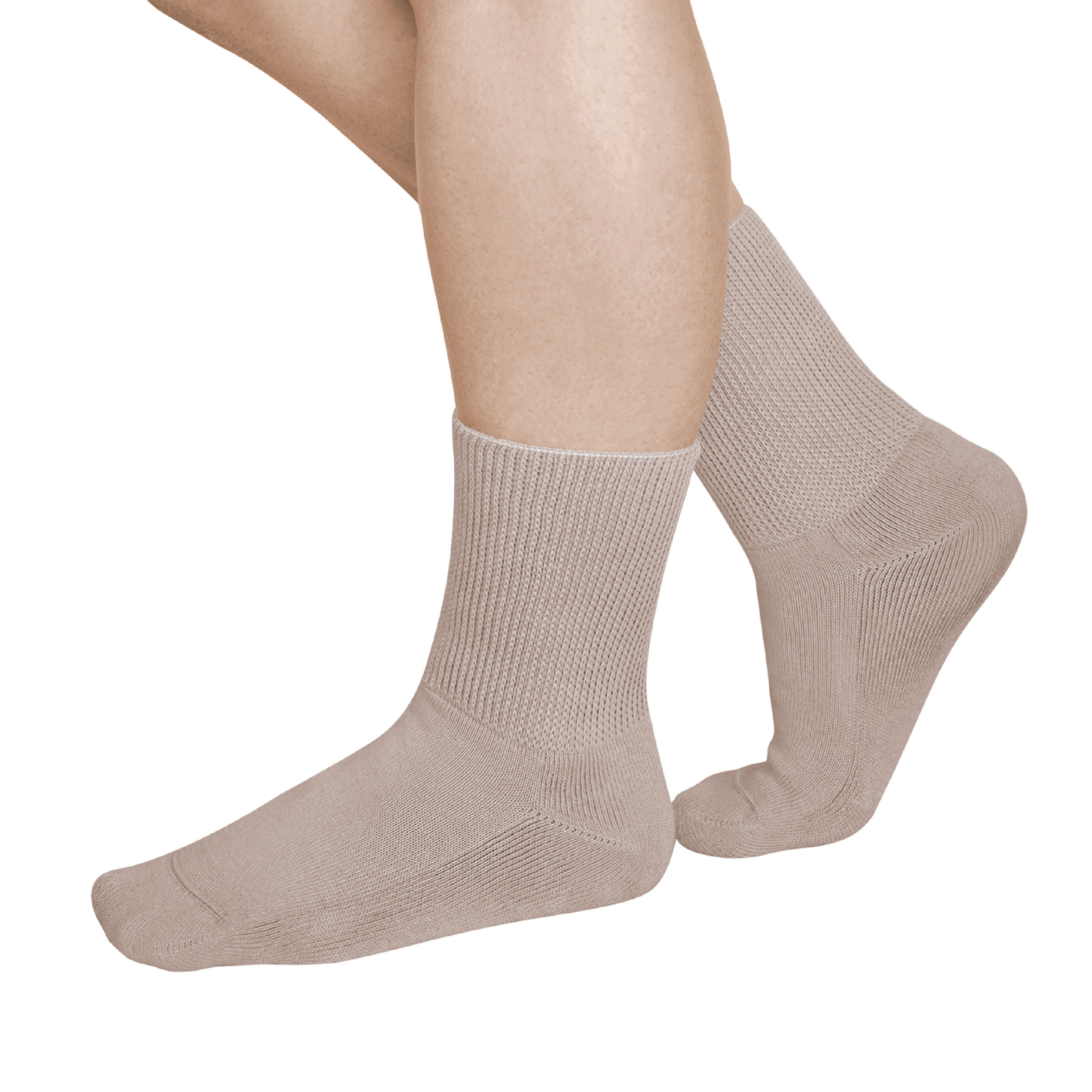
When thinking about warm or winter socks, many people imagine thick, bulky socks, similar to those knitted by a grandma sitting near a fireplace. However, thicker doesn’t always mean warmer. Unless you are planning to spend a lot of time outdoors in the cold, where you will probably need thicker thermal socks and winter shoes to protect your feet from frostbite, thick socks can actually cause more discomfort than benefit, especially for people with sensitive feet. Bulky, thick socks are not recommended in business settings either. Whether thin or thick, the first thing you should pay attention to is the fabric the socks are made from. It is important that, when you try to warm your feet with socks, your skin stays dry and can still breathe..
Cotton vs Wool
Cotton, as we know, is an amazing natural fibre and an absolute leader in the production of clothing across the world. Being very breathable, soft, durable, and easy to wash, it makes a great material to wear next to the skin. However, as much as we love cotton, it is not the best choice for the cold season. While it does a great job of absorbing moisture from the skin, it loses insulation and may feel cold, causing discomfort.
Natural fabrics that provide the required level of warmth and comfort are mostly made from wool. Wool is a natural fibre obtained from the fleece of sheared animals: sheep (Merino wool), goats (Cashmere and Mohair), rabbits (Angora wool), llamas (Alpaca), and others. People have been using it for clothing for many thousands of years. Among many, these are just a few beneficial characteristics of wool:
Insulating. Thanks to the unique structure of the fibre, wool develops a natural crimp. This crimp helps trap air between the fibres, creating a layer of warmth and providing insulation. The finer the fibre, the more crimp it has.
Moisture-wicking. Wool does a great job of absorbing moisture from the skin and moving it to the surface, where it evaporates. This property helps keep the wearer’s skin dry for long hours.
Breathable. The ability of a fabric to breathe is closely related to its moisture management. As mentioned above, wool can easily transport perspiration away from the skin. It releases heat, helping to prevent clamminess and creating a feeling of freshness.
Naturally elastic. Compared to other natural fibres, wool has an excellent ability to stretch by up to 30% and return to its original length. This helps wool socks resist wrinkles and maintain their shape.
Eco-friendly. Wool is obtained by shearing certain types of animals. It is entirely natural, made of protein fibre that, at the end of its life, will decompose into the soil through the process of biodegradation.
On the downside, wool fabric can feel a bit heavier and itchy. If not properly cared for, it may not last as long as other natural fibres. Another disadvantage is its price. Because the process of transforming raw fibre into a finished product is complex and costly, wool socks are usually more expensive than others, such as cotton socks of a similar construction. To improve some of its properties, achieve new characteristics, or reduce the price, wool can easily be blended with other fibres, both natural and synthetic.
Merino Wool
Among all types, merino wool holds one of the most prominent positions in the textile industry — and for good reason. We believe that, in terms of price-to-performance ratio, merino wool offers the best value when it comes to socks.
Merino wool is collected from a special breed of sheep called Merinos. They are believed to have originated in Spain many centuries ago, and today, thanks to continuous selective breeding, they produce one of the finest wools used in clothing. At present, these sheep are raised in many countries, with Australia playing a leading role in the market.
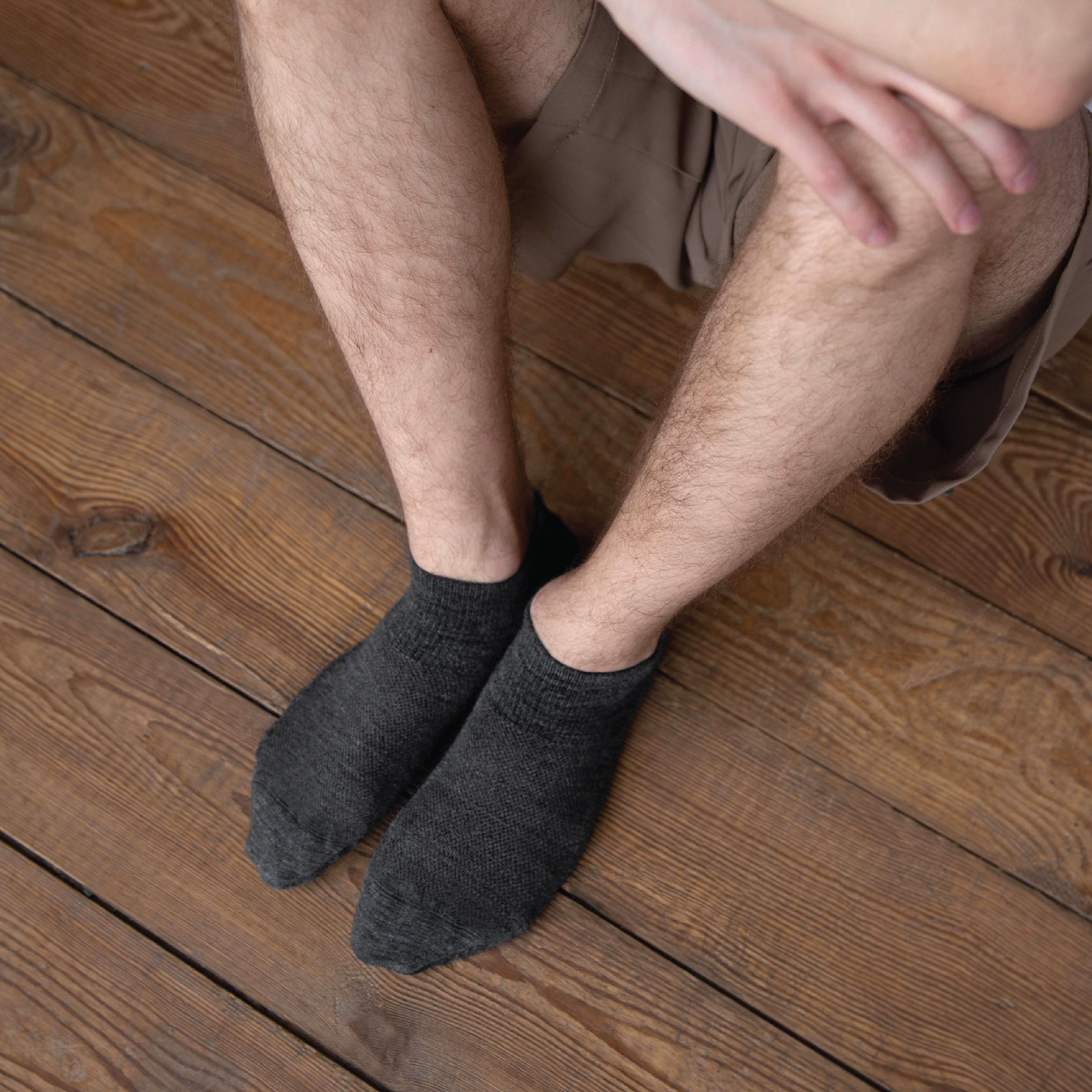
Socks made of merino wool are among the most searched-for on the internet. This comes as no surprise to anyone who has worn woolly garments before and knows the level of performance they can offer. Among many reasons, here are just a few why men should consider having merino wool socks in their wardrobe:
Warm. Wool is a naturally crimped fibre. It creates many tiny pockets that trap air, forming an effective layer of warmth as a result. The finer the fibre, the more crimp it has, and the better insulation it provides. This feature makes merino wool one of the best natural fabrics for warm socks.
Breathable and moisture-wicking. Merino wool excels in moisture management and allows for good breathability. It can absorb a great deal of moisture and then let it evaporate easily by moving it away from the skin to the outer surface of the fabric. This property is particularly important for clothing worn next to the skin, such as socks. Your feet will stay comfortable for many hours of wear.
Odour resistant. Human sweat itself doesn’t have a smell. It is the bacteria on our skin that cause an unpleasant odour by breaking down sweat into smelly acids. Because socks made of merino wool absorb much of your sweat, less of it remains in contact with the bacteria, reducing the amount of smelly acids produced.
Soft and non-itchy. One of the most valuable attributes of merino fleece is the tiny diameter of its fibre, which can range from about 24 microns to less than 11 microns. This exceptional fineness allows for the production of high-quality wool socks that are lightweight, warm, pleasant to the touch, and do not itch like some other woollen socks might.
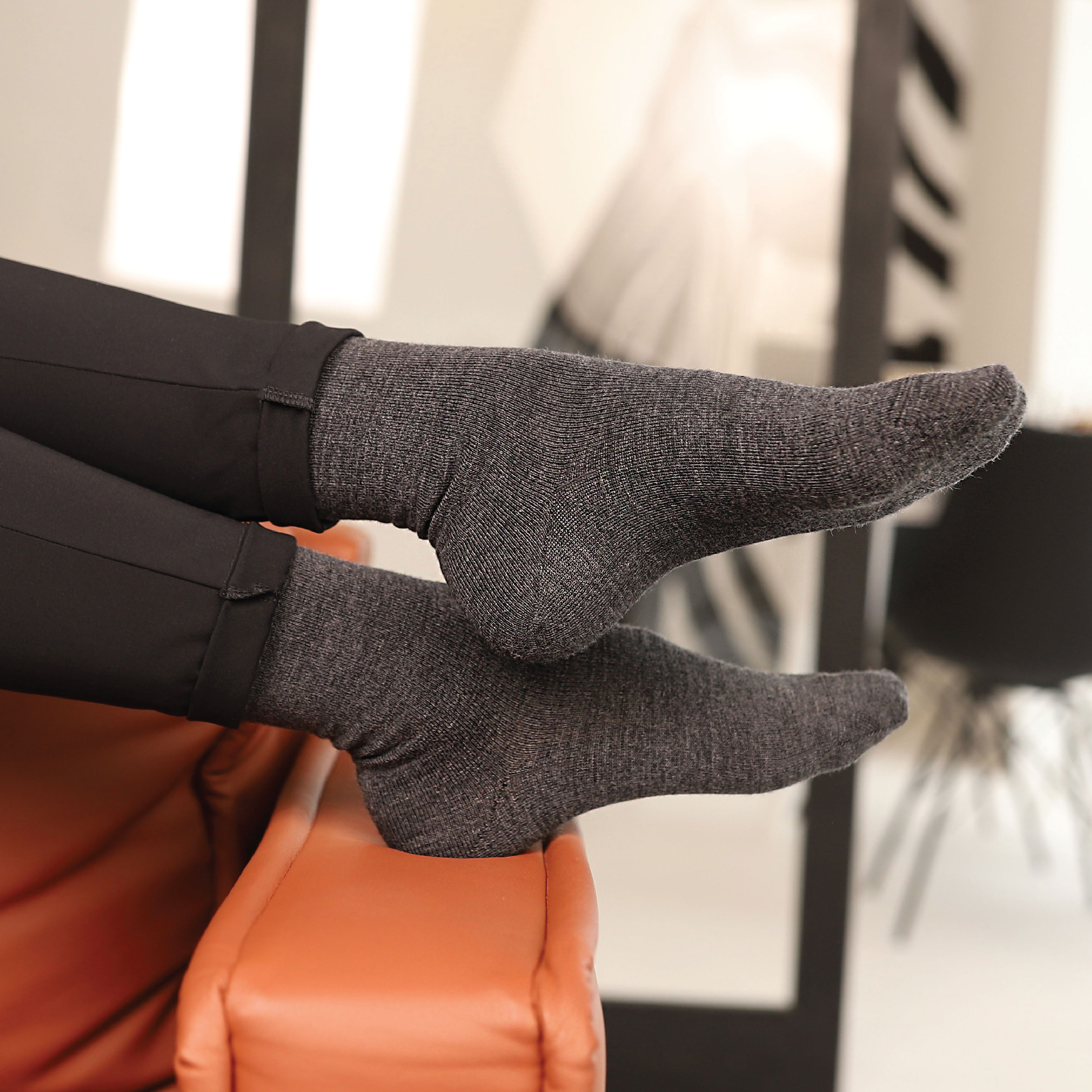
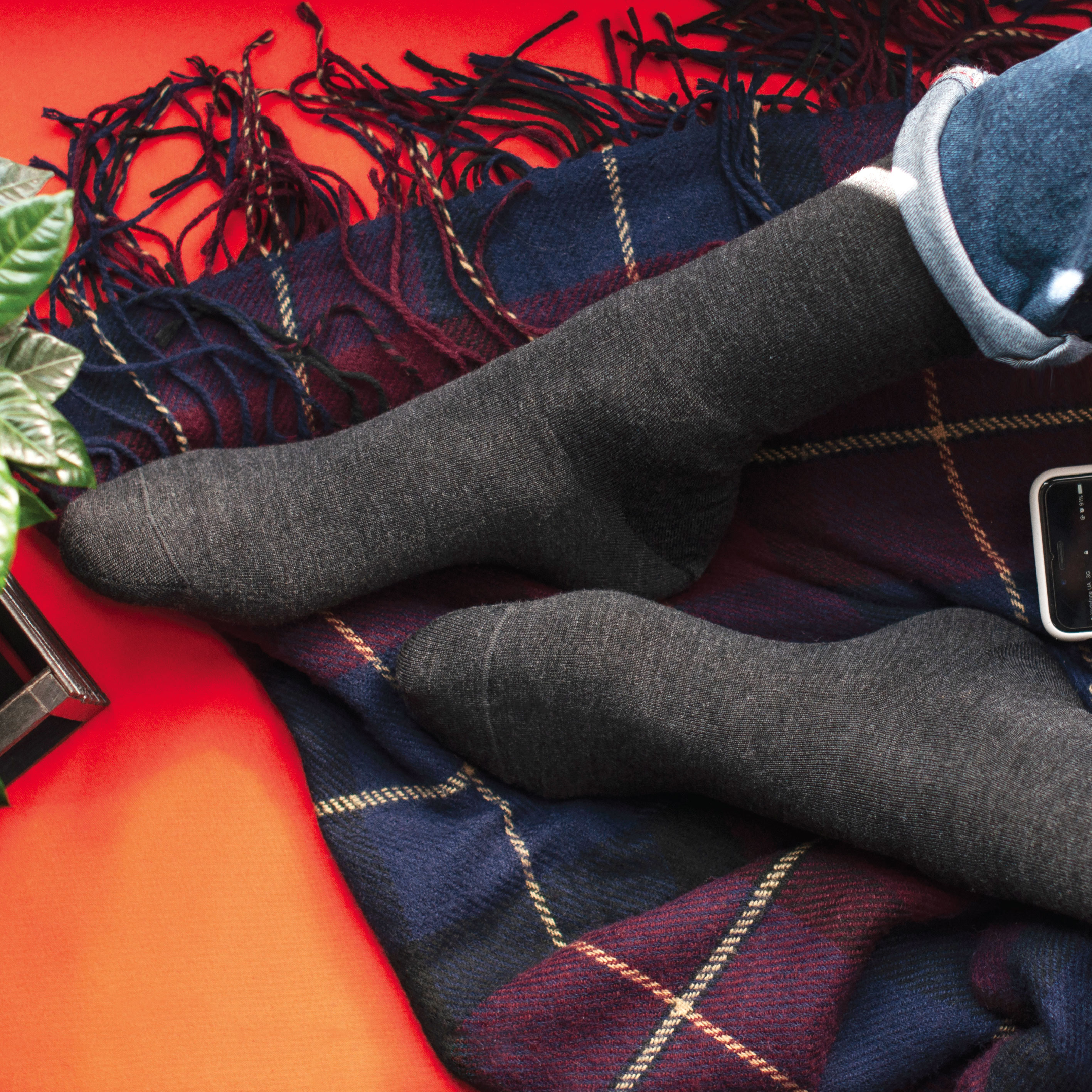
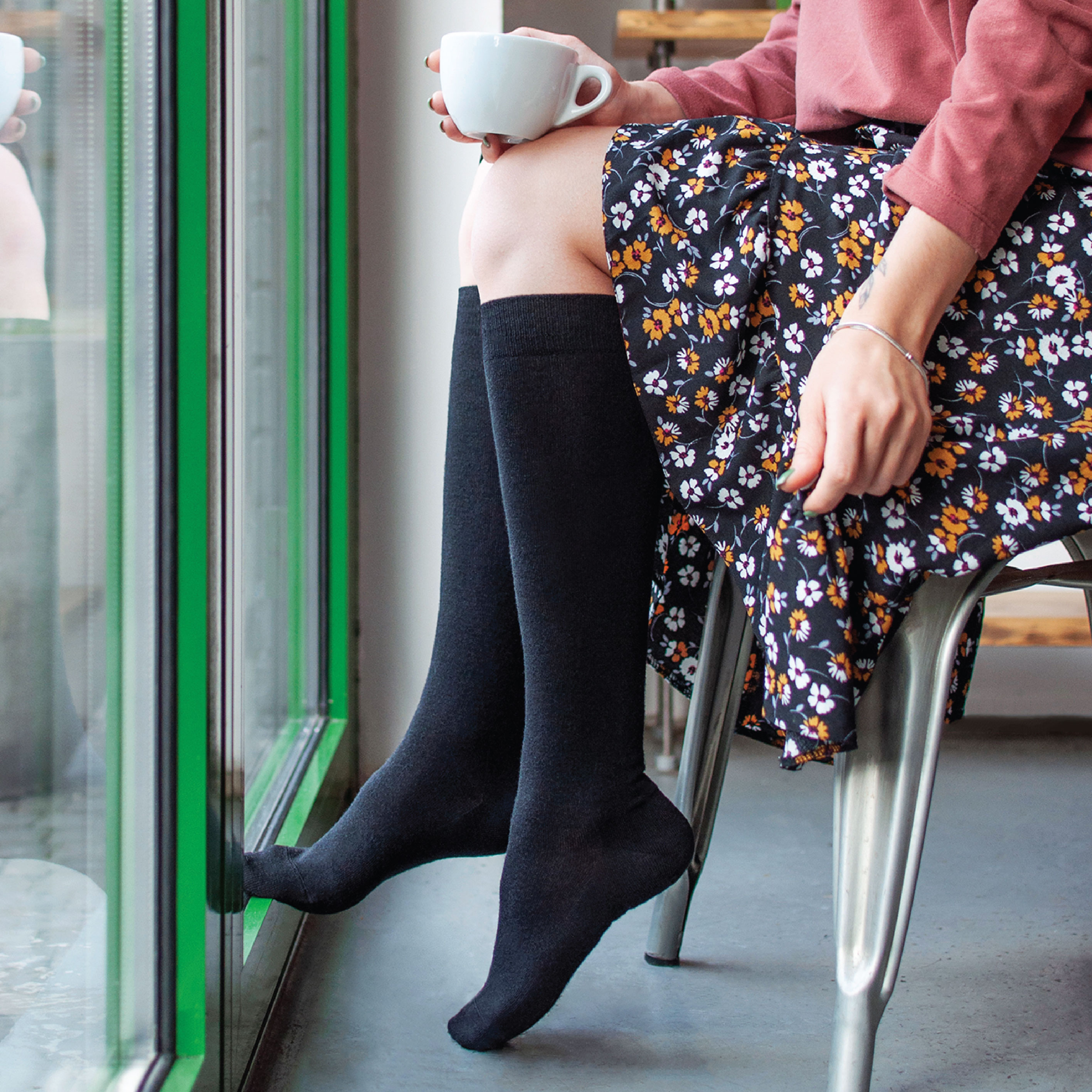
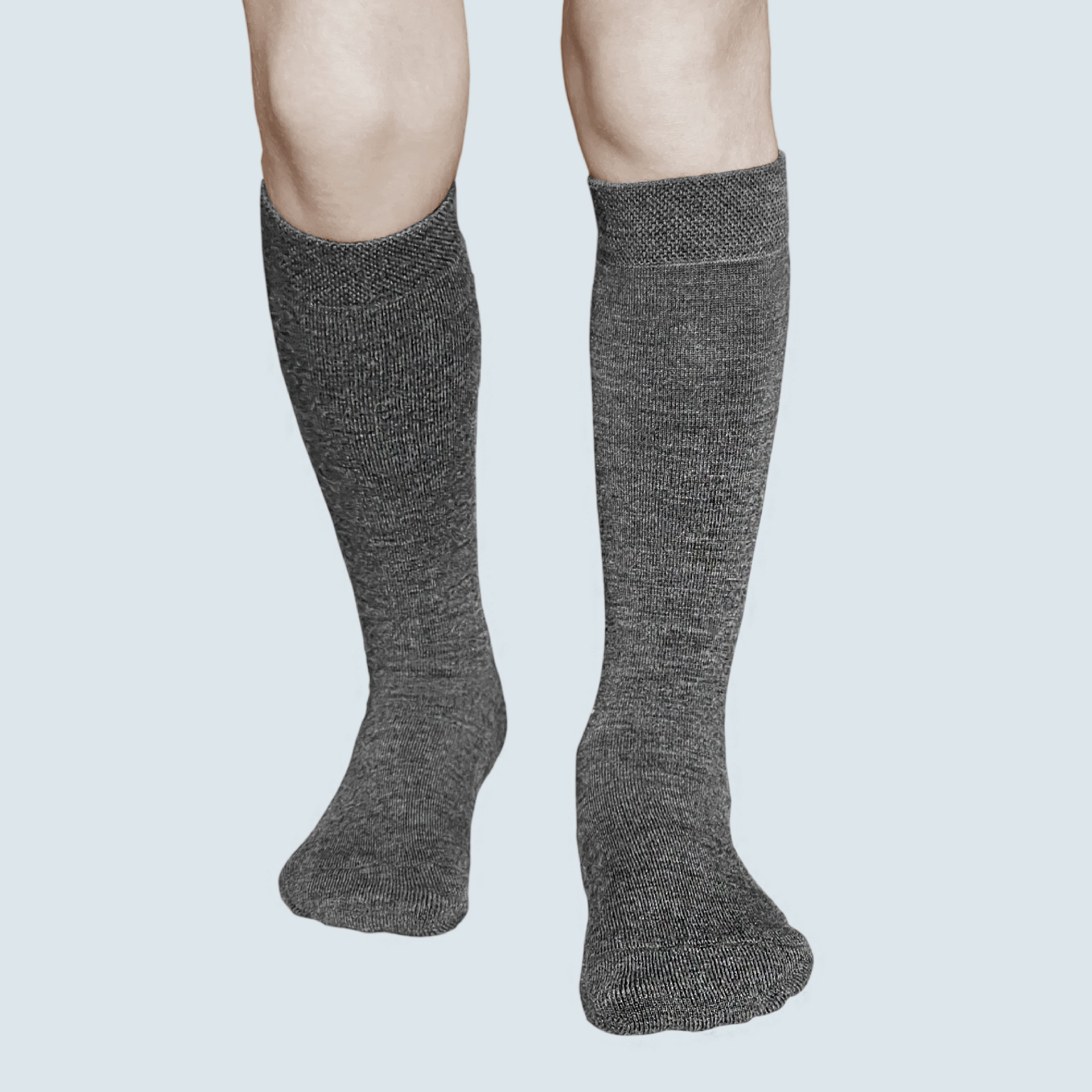
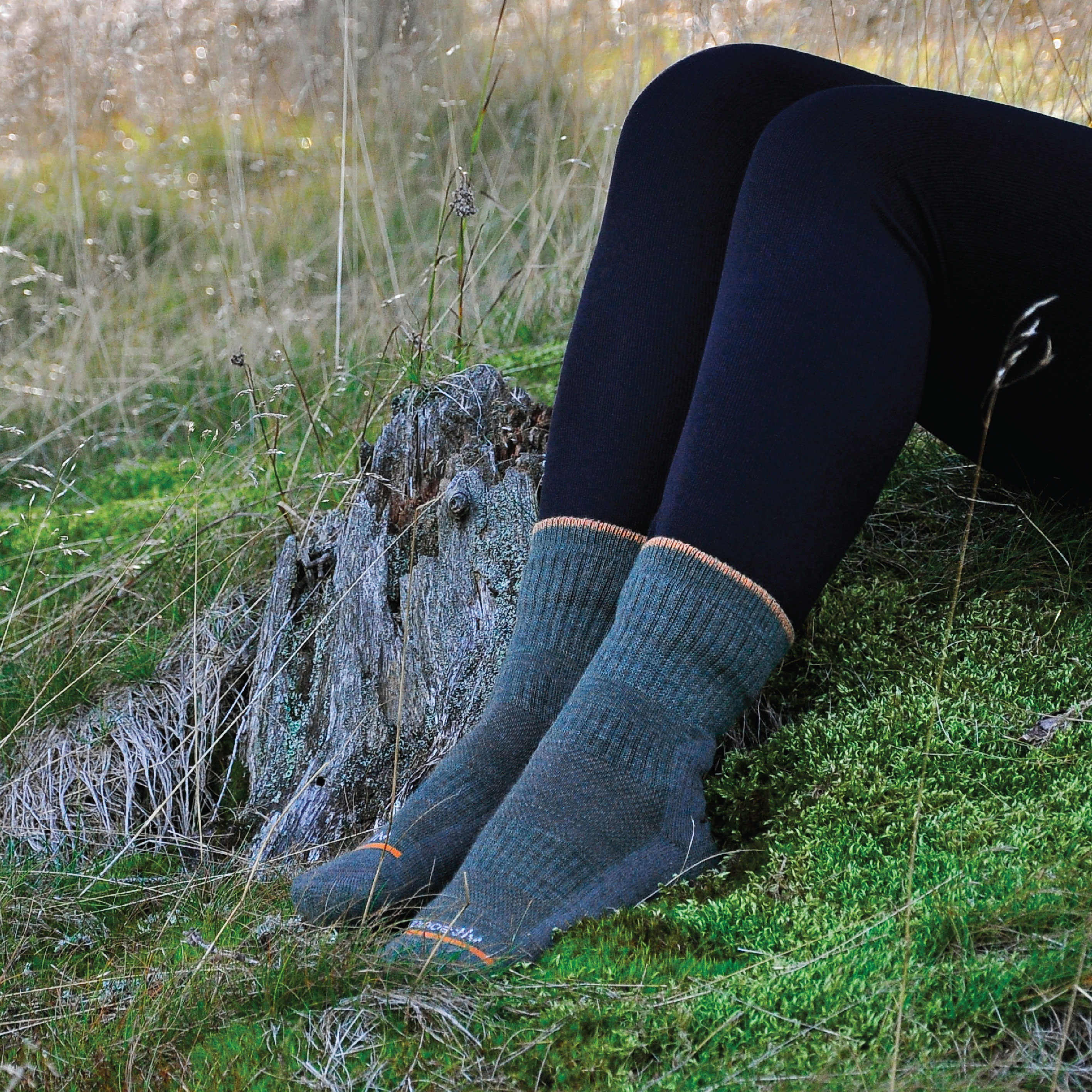
Merino wool continues to grow in popularity year after year. This is hardly surprising when you consider all the above-mentioned properties present in just one fibre. Our merino socks have been among our top sellers for a long time. Available in mid and knee lengths, they do an excellent job of keeping feet comfortable in various weather conditions, especially in the mild cold of late autumn and winter.
Post scriptum
Warm feet promote better sleep. In a scientific paper written by Swiss researchers from the Psychiatric University Clinic in Basel, the authors discovered that warming up your feet before going to bed increases your chances of falling asleep more easily and quickly (Kräuchi et al., "Warm Feet Promote the Rapid Onset of Sleep", Nature 401:36–37, 1999).
Even though protecting your feet from the cold is important, it’s just as vital to free them from all coverings regularly and walk barefoot when you can. Skin needs to breathe and see the light too.